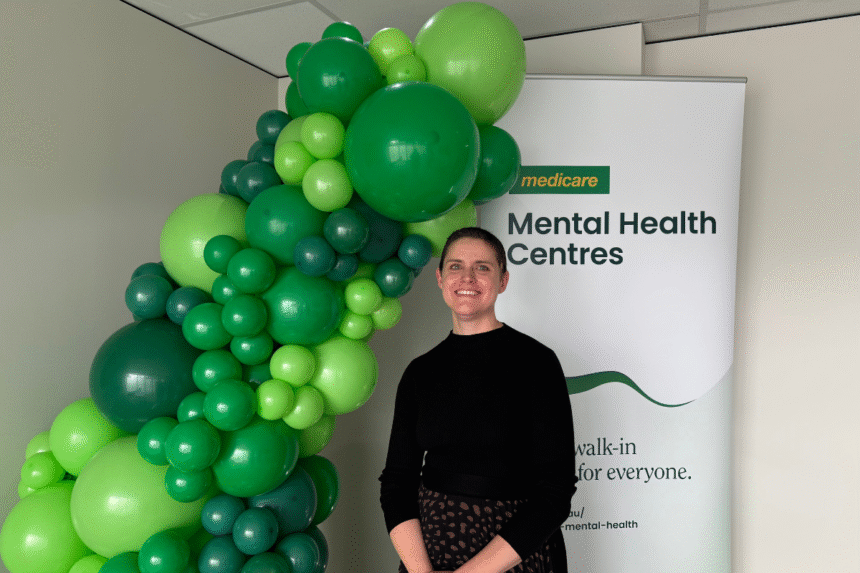
A new regional plan has been released to guide how mental health and suicide prevention services are designed, delivered and connected across the ACT over the next five years.
Developed by the ACT Government in partnership with Capital Health Network, the 2025–2030 ACT Mental Health and Suicide Prevention Regional Plan: The Framework sets a clear direction for building a more coordinated, inclusive and responsive mental health system for Canberrans.
Rather than focusing on a single service or program, the Framework takes a whole-of-community view, recognising that mental health is shaped not just by healthcare, but by housing, employment, connection, culture and safety.
Why this plan matters
ACT Minister for Mental Health Rachel Stephen-Smith says the Framework reflects a shared commitment to strengthening mental health and suicide prevention outcomes across the Territory. Good mental health, she notes, is essential not only for individual wellbeing, but for the strength and resilience of the community as a whole.
The Framework is designed as a roadmap for change, informed by lived experience and developed through collaboration across government, health services and community organisations.
Its aim is to make it easier for people to access the right support, at the right time, in the right place.
A whole-of-system approach
One of the key shifts in this plan is its emphasis on prevention and early intervention, rather than waiting until people reach crisis point.
The Framework recognises that many people fall through the gaps when services are fragmented or difficult to navigate. By improving coordination between primary care, specialist mental health services, suicide prevention supports and community-based organisations, the plan aims to reduce duplication, strengthen referral pathways and create smoother transitions between services.
Importantly, it also acknowledges that mental health is deeply influenced by social determinants, including secure housing, meaningful work, social connection and cultural safety and that addressing these factors is critical to long-term wellbeing.
What changes might Canberrans notice?
While the Framework itself does not roll out new services overnight, it sets the foundation for practical changes over the coming years. For the community, this is likely to mean:
- Better coordination between GPs, mental health providers and community services
- Stronger focus on prevention and early support
- More person-centred care that reflects lived experience
- Improved integration between mental health and suicide prevention services
- Greater emphasis on equity, inclusion and cultural safety
These changes will be built gradually through joint planning, funding decisions and service redesign, rather than a single announcement or program launch.
How this fits with broader ACT investment
The Regional Plan complements the ACT Government’s wider investment in mental health, including the recently released Strategic Investment Plan for community mental health services.
The insights gathered through the Framework will also help shape the ACT Government’s forthcoming Mental Health Services Plan, which is due for completion by the end of 2026. Together, these plans aim to create a more responsive and accessible mental health system that evolves with community needs.
Collaboration at the centre
For Stacy Leavens, CEO of Capital Health Network, the Framework marks a renewed commitment to working together at a regional level.
She describes the plan as an essential starting point for future collaboration and reform, bringing together government, primary care, mental health services, suicide prevention organisations and the community to improve outcomes for people across the ACT.
What happens next?
Over the next five years, the Framework will guide how decisions are made, how services are connected and how success is measured. It is not a static document, ongoing feedback, reflection and lived experience will continue to shape how the plan is implemented.
For Canberrans, the message is clear: this is about building a system that works better together, responds earlier and supports people as whole humans, not just service users.
As always, Purpose Media CBR will continue to follow how this plan translates into real-world changes and what it means for people seeking support across our community.
We would love to hear your thoughts on the new plan?