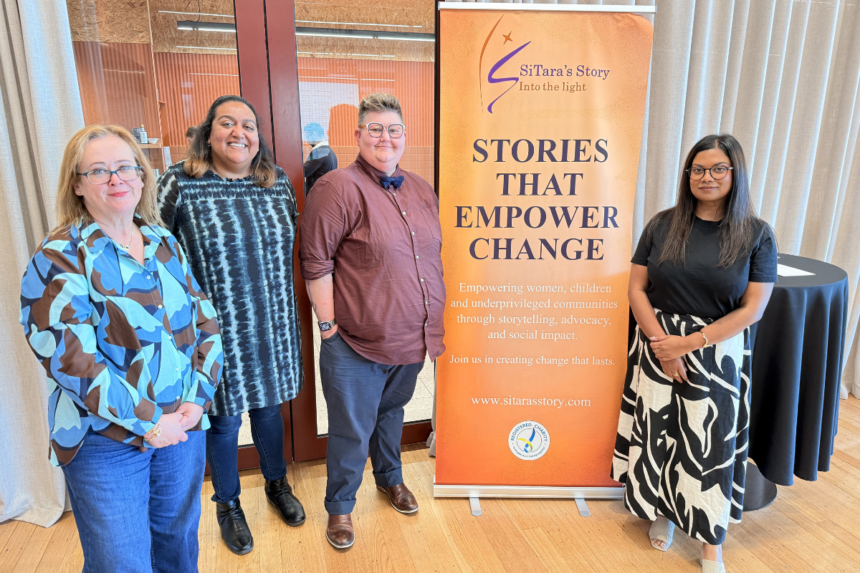
One of the most grounding reminders from the EmpowerHer panel was that coercive control is not a new phenomenon. What is new is the language we are using to describe it. These are patterns that have long existed, often hidden in plain sight, especially for our multicultural communities.
Coercive control was described as a sustained pattern of behaviour that restricts a person’s freedom, autonomy, and access to resources. It is not always visible. It rarely begins with violence that leaves a mark. Instead, it builds slowly.
Control over money. Restricted movement. Monitoring phone calls and messages. Isolation from friends and family. Preventing someone from working. Each action, on its own, can be explained away. Together, they create dependency.
The panel highlighted early warning signs that communities can notice. A person who once attended events independently now cannot. Someone who becomes harder to contact. A subtle but consistent withdrawal from community life. These are often the first indicators that something is not right.
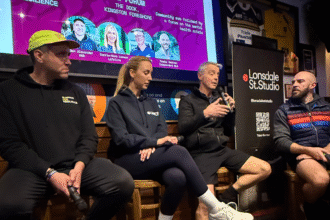
The EmpowerHer panel, hosted by SiTara’s Story, brought together women working at the frontline of domestic and family violence, migration law, and multicultural advocacy. Sue Webeck, CEO of the ACT Domestic Violence Crisis Service, Vanessa Burn from the Women’s Legal Centre migration practice, Zakia Patel from the Multicultural Hub ACT, and multicultural rights advocate Shamima Afroz offered not just expertise, but clarity, compassion, and a willingness to name what too often goes unspoken.
Migration can deepen vulnerability
For women on temporary visas, these patterns can be intensified.
Vanessa Burn shared that immigration-related coercion is present in almost every client she sees. A common question in her work is whether a partner has threatened deportation or contacting Home Affairs. These threats are powerful because they exploit fear and uncertainty.
Layered onto this is the reality that many women do not initially identify their experience as family violence. If violence is understood only as physical harm, coercive control can go unrecognised.
What was made clear, however, is that visa status should never be a barrier to seeking help.
Legal Aid and community legal centres remain accessible, even for those on temporary visas. There are also expanded family violence provisions across multiple visa types, and processes now exist to ensure that individuals are informed before sponsorship is withdrawn.
Importantly, the panel cautioned against misinformation. Unregistered migration advice continues to cause harm. Trusted sources, such as the Office of the Migration Agents Registration Authority and Home Affairs resources, are critical in ensuring people receive accurate guidance.
Culture, language, and stigma shape the experience
The conversation moved beyond systems and into the complex realities of culture, language, and community.
Domestic and family violence remains highly stigmatised in many multicultural communities. This makes disclosure difficult, not just because of fear, but because of the weight of cultural expectations and community perception.
There is also a language gap. “Coercive control” does not translate easily. In many languages, there is no direct equivalent. Even the concept of “control” can be misunderstood, making it harder to name the experience.
The panel acknowledged a delicate but necessary tension. Understanding cultural practices while also recognising when those practices cross into harm. This is not about judging culture, but about ensuring safety.
Religious narratives were also discussed. When used accurately, they can be a source of strength and support. When misused, they can reinforce control. Engaging religious leaders in this space remains both essential and challenging.
Trust is the missing piece in many systems
A recurring theme was trust, or the lack of it.
Many systems have historically been designed with a narrow view of who a victim-survivor is. This has created barriers for culturally and racially marginalised communities, who are both overrepresented in experiencing harm and underrepresented in accessing support.
Fear plays a significant role. Fear that information will spread within a community. Fear that seeking help will mean being forced to leave a relationship. Fear that systems will not understand or will respond with discrimination.
Sue Webeck emphasised an important shift in thinking. Not every person wants to leave immediately. Many want the violence to stop. Services must be able to support safety planning in both scenarios.
Trust begins with listening. Treating people as experts in their own experience. Asking questions that explore context, not just symptoms. Checking whether a situation reflects choice or restriction.
Storytelling is a pathway to change
Perhaps the most powerful thread throughout the discussion was the role of storytelling.
Stories have always been how communities share knowledge. In this context, they do something more. They help people recognise patterns in their own lives. They reduce isolation. They move experiences from private shame into shared understanding.
When someone hears a story that mirrors their own, it creates a moment of recognition. And in that moment, there is possibility.
We would love to enable further story-telling, if you would like to share your story we encourage you to get in touch with us. Sharing your story also doesn’t have to be by sharing who you are publicly and we can accomodate name changes and privacy requirements. But the focus of these stories is how to overcome barriers and find support services. Get in touch here
Where to from here
The panel did not leave the conversation at awareness. It pointed to practical next steps.
- There is a need to develop community-led ways to describe coercive control in different languages.
- To strengthen engagement with community and faith leaders.
- To move beyond written resources and into trusted spaces where conversations can happen.
- There is also a need to ensure that systems respond with cultural humility.
- That pathways remain open, regardless of visa status.
- That services collaborate rather than operate in silos.
Most of all, there is a need to keep listening.
Because what became clear in that room is that the knowledge already exists. It sits within communities, within lived experience, within the quiet stories that are waiting to be heard.
And when we choose to hear them, we take a step closer to a safer, more connected community for everyone.
Where to get support in the ACT
One of the clearest messages from the panel was this: you do not need to have everything figured out before reaching out. Support exists, and it is there to meet people where they are.
You might not call it coercive control. You might not call it violence at all. But if something feels off, if your world is getting smaller, if your choices feel limited, that is enough to start a conversation. Because support should not depend on having the “right” words. It starts with being heard.
If you or someone you know may be experiencing coercive control or family violence, these local services can help:
- ACT Domestic Violence Crisis Service (DVCS)
24/7 crisis support, safety planning, and immediate assistance. DVCS can help you think through options, whether you are planning to stay, leave, or are unsure. - Legal Aid ACT
Free legal advice and assistance, including for people on temporary visas. They can help you understand your rights and next steps. - Women’s Legal Centre ACT
Specialist support for women, including migration-related family violence matters and legal education. - Migrant and Refugee Settlement Services (MARSS) Australia
Practical settlement support, including casework and connection to services for migrant and refugee communities. - Multicultural Hub ACT
A welcoming space offering community connection, information, and pathways to culturally safe supports. - 1800RESPECT
A national service available 24/7 via phone or online chat for confidential counselling and advice.
If you are in immediate danger, call 000.