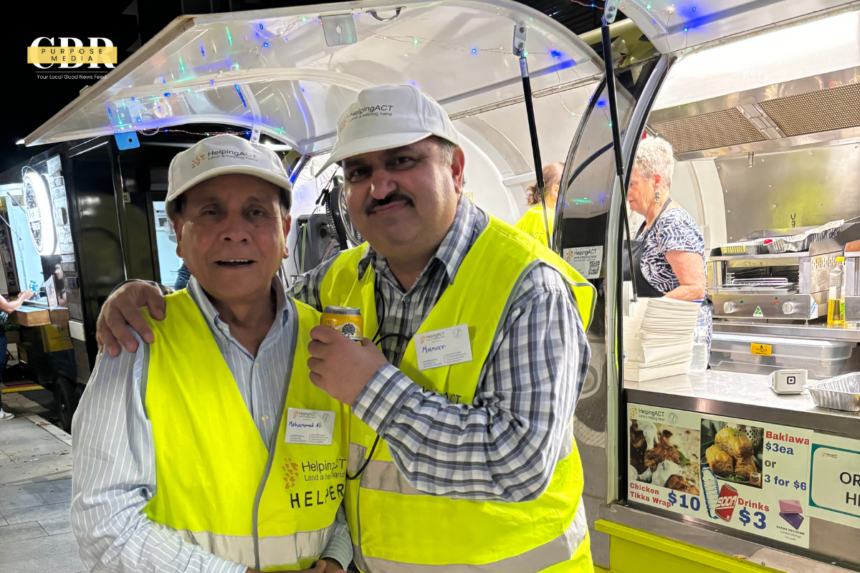
There are few weekends in Canberra that feel quite like the National Multicultural Festival. It arrives with colour, sound and the kind of gentle chaos that signals something special is happening. Streets fill, music drifts from every direction and the city centre becomes a place not just to pass through, but to linger.
From 6–8 February 2026, the National Multicultural Festival will once again transform Civic into a multi-stage, multi-sensory celebration of culture, creativity and community. Now in its 28th year, the festival has grown into one of Canberra’s most cherished events, representing more than 150 cultures and drawing locals and visitors into a shared experience that feels both joyful and grounding.
For many, the festival is not just something you attend, but something you prepare for. There’s the strategic decision-making around food, deciding which stall to line up for first so you can taste as widely as possible without peaking too early. There’s the intentional wandering, following music you’ve never heard before, trusting curiosity rather than a timetable. And there’s the pleasure of seeing local performers in their element, stepping onto stages that feel bigger, louder and more affirming than usual.
It’s also impossible not to reflect on how far the festival has come. What once felt like a cluster of 3×3 marquees tucked along the Garema Place corridor has evolved into a confident, city-wide showcase spanning multiple stages and precincts across Civic. The scale has changed, but the heart of the festival remains the same. It is still about gathering, sharing and celebrating the many stories that make up Canberra.
Headline acts that reflect the festival’s spirit
This year’s headline acts capture the breadth and intention of the festival perfectly. On Sunday 8 February, one of Australia’s most respected storytellers, Troy Cassar-Daley, will take to the stage from 4pm–5pm. A multi-award-winning country music icon, Cassar-Daley is known for his deeply personal songwriting, exploring everyday triumphs, struggles and joys from the city to the outback.
A proud Gumbaynggirr and Bundjalung man, Cassar-Daley has released numerous gold and platinum records, with 31 songs reaching number one on the charts. His music speaks to identity, belonging and connection, themes that sit naturally at the heart of the National Multicultural Festival.
“I love this festival, it always makes me feel very proud to play as a person who is a product of multiculturalism,” Cassar-Daley said. “Being Indigenous and Maltese means bringing different worlds together, and doing that with music makes it very special.”
Supporting Cassar-Daley will be Canberra’s own Tahalianna Soward-Mahanga, a proud Wiradjuri and Tongan artist whose extraordinary performances on The Voice have earned national recognition.
Balancing that country soul is the high-energy presence of L-FRESH the Lion, who will perform on Friday 6 February from 10pm–11pm. Born in Sydney to Punjabi-Sikh parents, L-FRESH the Lion has built an international reputation, touring with Nas and sharing stages with Talib Kweli, Dead Prez, Hilltop Hoods and Sir Elton John.
His music blends sharp lyricism with themes of cultural pride, resilience and social justice, creating a sound that is both raw and uplifting. Returning to Canberra holds particular meaning.
“It’s been a long time since I last performed there, and coming back to share this moment with the community means a lot,” he said. “I can’t wait to put on a special show for everyone.”
Discovery at the heart of the program
According to Michael Pettersson MLA, the 2026 festival is about rediscovery.
“In its 28th year, the festival is all about discovery, where beloved favourites meet fresh experiences that surprise and delight,” he said. “Even after almost three decades, there’s always something new to experience.”
That sense of discovery is woven throughout the program. Beyond the headline acts, the festival offers a rich mix of performances, conversations and workshops that invite people to slow down, listen and engage.
One standout is Fields of Belonging: Celebrating Multiculturalism in Sports, an inspiring panel discussion exploring how sport can unite communities across cultures. Featuring players from the Raiders, the Brumbies and Cricket Australia, it highlights the role of shared experience, teamwork and visibility in building belonging.
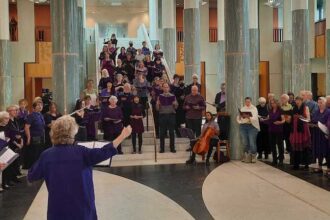
Music lovers will also be drawn to Queen of Hearts, a show-stopping all-female Mariachi band delivering a contemporary take on traditional Mexican music, and the MusicACT Takeover, which spotlights local artists from culturally and linguistically diverse backgrounds. This program blends tradition with innovation, offering fresh sounds that reflect the multicultural reality of modern Canberra.
Dance performances bring energy and movement to the streets, with K-Pop sensation Serendipity Dance Crew alongside Latin acts Mi Peru and the Manquehue Chilean Folk Dance Group. These performances often become unexpected highlights, moments where passers-by stop, stay and become part of the crowd.
A festival designed for families
The National Multicultural Festival continues to be one of the most family-friendly events on Canberra’s calendar. For children, the experience is immersive and playful, creating early memories of culture as something joyful and shared.
Glow and Tell, from South Australia’s Patch Theatre, offers an enchanting, light-filled experience for children aged 4–8. Through interactive storytelling and glowing UV-light, it explores themes of family and culture, placing children at the centre of the performance and inviting imagination and curiosity.
For kids who love to move, the Rice and Peas Jamaican Dancehall Party invites children aged 4–12 to learn iconic dancehall moves and celebrate community through rhythm and energy, guided by Culture Queenz.
Families looking for a quieter space can retreat to the CMAG Family Sanctuary at the Canberra Museum and Gallery. This calm, welcoming area offers Mexican puppetry, creative crafts, face-painting and room to recharge away from the crowds.
Food as a shared language
Food remains one of the festival’s most powerful connectors. With hundreds of stallholders, visitors can taste dishes from across the globe, often prepared by people sharing recipes that carry family history and cultural memory.
Cooking demonstrations from passionate home cooks and some of Canberra’s most respected chefs add another layer, reminding audiences that food is both sustenance and story. For many, these shared meals become moments of quiet exchange, sitting shoulder to shoulder with strangers and discovering something new together.
Laughter, colour and community joy
Comedy also has its place, with events like Lip Syncs and Laughs, a comedy and drag show promising sparkle, humour and unapologetic fun. Across the festival footprint, pop-up performances and workshops ensure there is always something happening, even when you least expect it.
That unpredictability is part of the festival’s charm. It rewards wandering, curiosity and openness, offering moments of surprise that often become the ones people talk about long after the weekend ends.
A celebration that grows with the city
As the festival has grown, so too has Canberra. The expansion from a single corridor to a multi-stage Civic takeover mirrors the city’s increasing confidence in celebrating its diversity. What remains constant is the feeling the festival creates, a brief but powerful sense of belonging that comes from seeing cultures celebrated side by side, not as something separate, but as something shared.
The National Multicultural Festival is, at its core, a community-led celebration. It is a reminder that multiculturalism in Canberra is not abstract or symbolic. It is lived, tasted, danced and heard.
Key performance times
- L-FRESH the Lion: Friday 6 February, 10pm–11pm
- Troy Cassar-Daley: Sunday 8 February, 4pm–5pm
The full line-up of performers and stallholders will be announced later in January. For program details, maps and updates, visit multiculturalfestival.com.au and start planning your weekend.
Because in Canberra, multiculturalism is not just something we talk about. It is something we gather for, wander through and celebrate together.