At first glance, it might sound like just another infrastructure update. But when you zoom out, this is really about how people move, connect, and access their community day to day.
What’s actually happening?
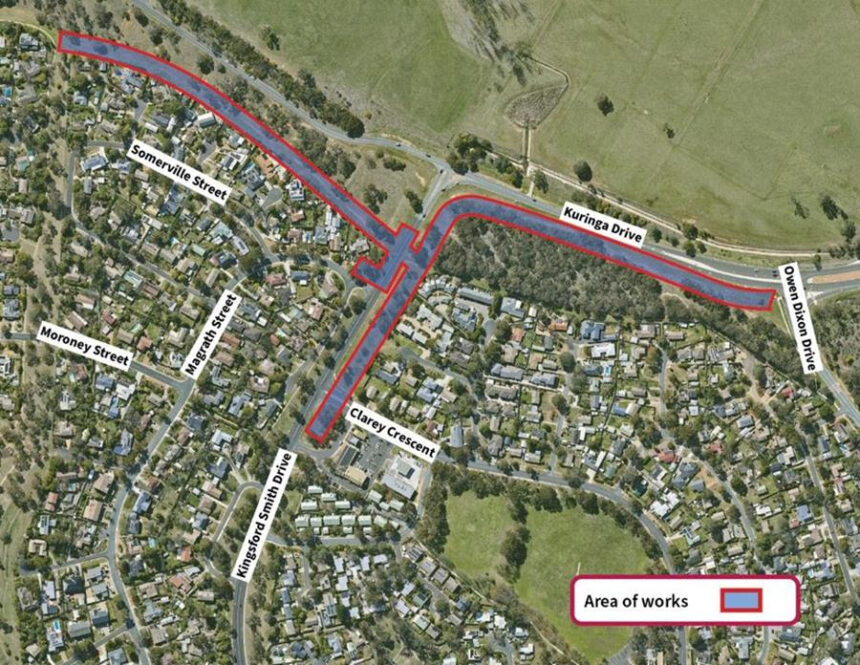
The ACT Government has started work upgrading sections of paths along Kuringa Drive and Kingsford Smith Drive. The upgrades include:
- New and improved paths, with some widened up to 3 metres
- A new refuge island to help people cross safely
- A wombat crossing (raised crossing) to slow traffic
- New street lighting to improve visibility and safety
- Better connections between existing paths, shops, and surrounding streets
In total, this adds up to over a kilometre of improved pathways designed to handle higher foot and bike traffic, especially during peak times.
Why does this matter?
This isn’t just about concrete and asphalt. It’s about how easy it is for someone to:
- Walk to the shops without worrying about traffic
- Ride a bike safely with their kids
- Get to school, work, or services without needing a car
- Feel confident being out in their neighbourhood after dark
There’s strong evidence that accessible, well-designed active travel infrastructure supports both physical health and social connection. When people feel safe moving through their community, they’re more likely to use local services, engage with others, and stay active.
And in a city like Canberra, where car reliance is high, these small shifts can make a big difference over time.
What does this mean for the community?
For residents in Spence and Fraser, it could mean:
- Safer school routes for children
- Easier access to local shops and services
- More inclusive options for people who don’t drive
- A more connected neighbourhood overall
But the real impact depends on how these paths are used and who they work for.
Your Questions Answered: What Do These Path Upgrades Really Mean?
Who benefits most from these upgrades?
These upgrades are designed to benefit everyone, but especially people who rely on local movement, like families, older residents, cyclists, and those without access to a car. Safer, wider paths make everyday travel more accessible for more people.
Are they designed with older residents, people with disability, and families in mind?
The inclusion of wider paths, smoother surfaces, crossings, and lighting suggests accessibility has been considered. However, the real test will be how usable these paths feel in practice, particularly for mobility aids, prams, and those with vision or balance challenges.
Do the paths connect to where people actually need to go?
The upgrades aim to link existing path networks with key local points like the Spence Shops and surrounding streets. The question for the community is whether these connections align with real daily journeys like getting to schools, bus stops, and health services.
Is safety considered beyond just crossings?
Yes, to an extent. New lighting, wider paths, and traffic-calming features like wombat crossings all contribute to safety. But perceived safety matters too, especially at night. Visibility, maintenance, and how busy these paths feel will all influence whether people actually use them.
Will this reduce car reliance, or just support recreation?
That depends on how functional the paths are. If they connect key destinations and feel safe and direct, they can support everyday travel. If not, they may be used more for leisure like walking or cycling on weekends.
How will the community be engaged after completion?
The ACT Government provides project updates online, but ongoing community feedback will be key. The real opportunity is in listening to how people use the paths once they’re built and making adjustments based on lived experience.
The bigger picture
Canberra already has over 3,800 kilometres of community paths. The opportunity now isn’t just building more, but making sure they truly work for people.
Because when infrastructure is done well, it doesn’t just move people from A to B. It quietly shapes how connected, healthy, and supported a community feels.
And that’s where the real impact lives.